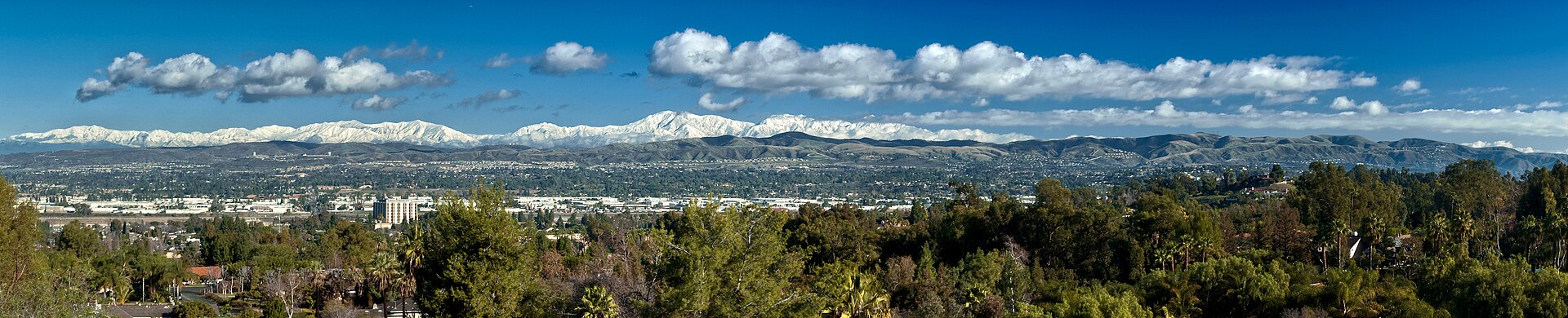
From Groves to Towers: Orange County's Citrus Past Meets Its Housing Present
The county named for oranges now grows homes where groves stood, and Anaheim's skyline tells the story of land that never stopped changing use.
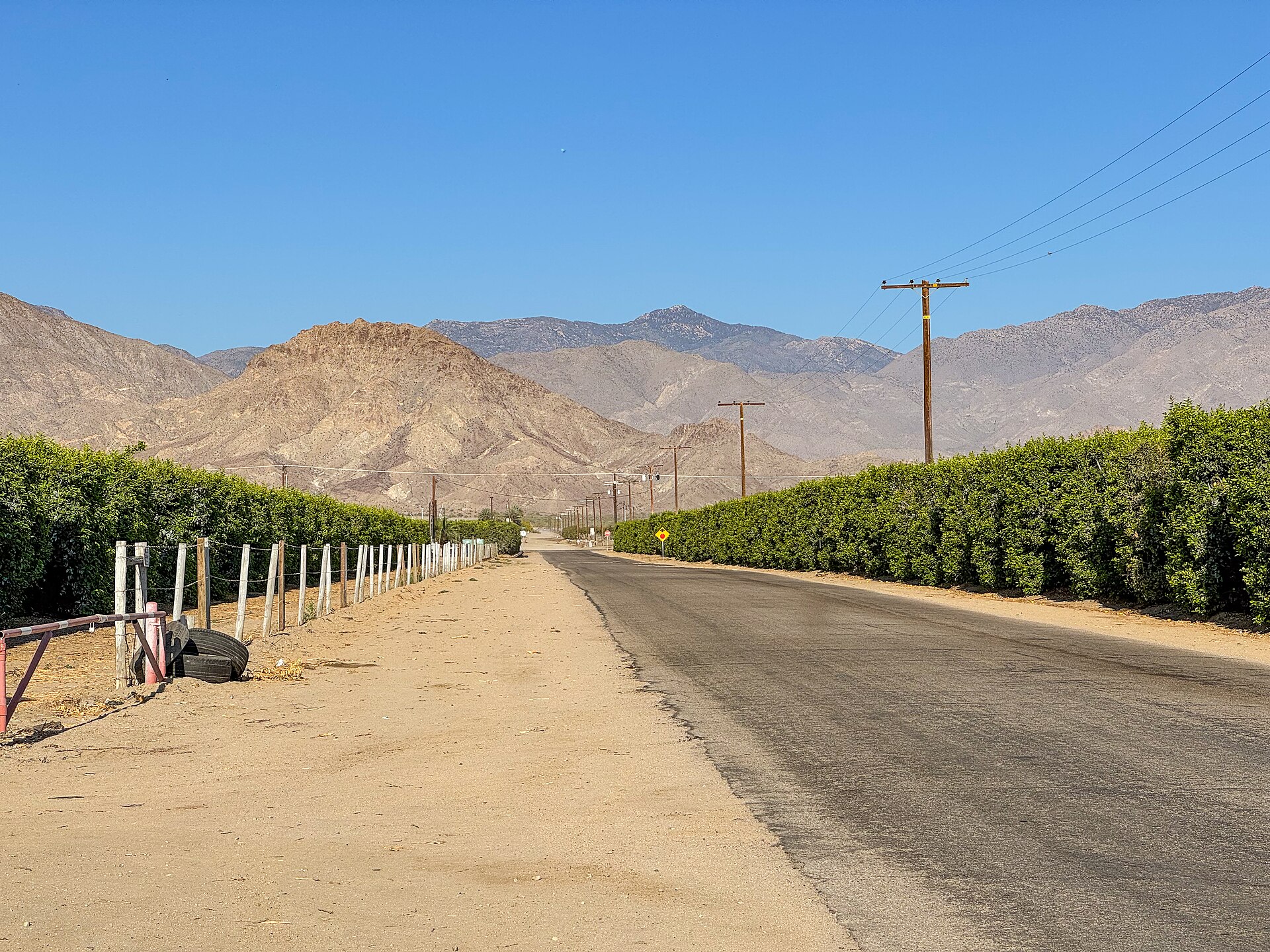
Orange County's name is an artifact. The county was named in 1889, when citrus was its promise and its economy, and communities like Anaheim, founded decades earlier as a wine colony, became centers of orange packing and shipping. The groves are now almost entirely gone from the county's flatlands, replaced by the subdivisions, freeways and commercial districts of one of America's most built-out suburban counties. What remains is the question the groves left behind: what should valuable land become next?
Anaheim illustrates the succession clearly. Its downtown Packing House survives as a food hall, its street names and water history carry agricultural traces, and its growth since Disneyland opened in 1955 has layered tourism, sports and industry over farmland. Each generation has treated the previous one's landscape as available, which is precisely why the current debate over housing density lands with such historical weight in the city.
California's housing shortage frames that debate. State law now pushes cities to plan for substantial new housing and streamlines approval for many projects, while local leaders weigh neighborhood character, traffic and infrastructure costs. In Anaheim, large sites draw particular attention: land around the Resort District, the Platinum Triangle near Angel Stadium and the Honda Center, and aging commercial strips where apartments above shops are increasingly proposed as a way to add homes without consuming open land.
The pressures are personal as much as statistical. Adult children of longtime Anaheim homeowners compete for rentals their parents' generation bought into cheaply, and workers in the resort and service economy commute from farther inland as local rents rise. Employers, including the city's largest, regularly cite housing costs in recruitment, tying the abstract language of housing elements to the practical staffing of hotels, hospitals and warehouses.
No single project resolves a century of land-use change, but Anaheim's pattern suggests a direction: reuse. Packing houses become food halls, parking lots become mixed-use districts and commercial corridors add homes where infrastructure already exists. The groves will not return, and neither will the cheap land that replaced them. The county named for oranges is now deciding, parcel by parcel, what a built-out place owes the people who need room to live in it.