
The Stadium District Debate: Land, Development and What Anaheim Residents Asked For
Around Angel Stadium, hundreds of acres of parking lots have become the city's biggest land-use argument, and the questions have outlasted every proposal.
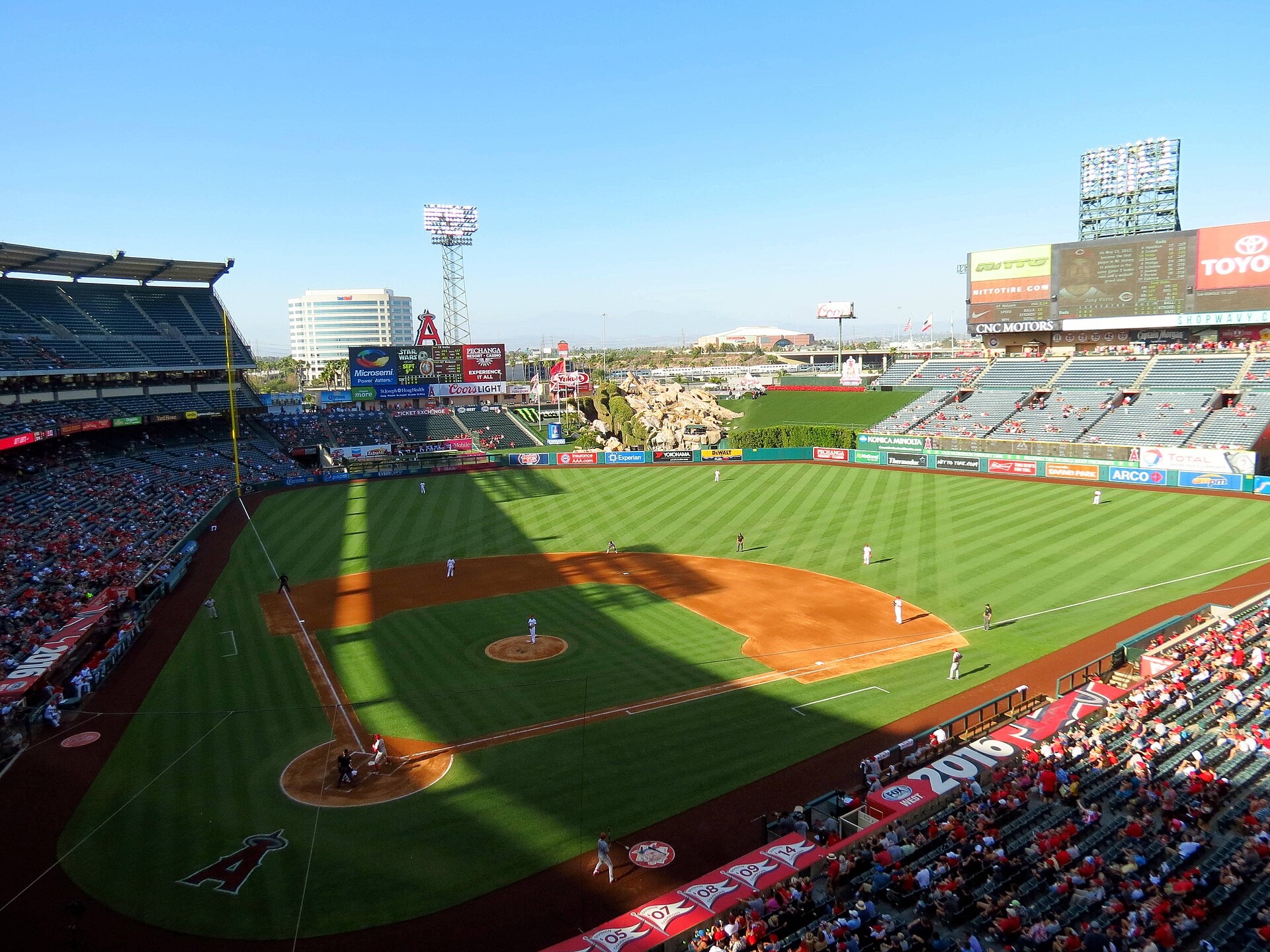
The most valuable empty land in Anaheim is not really empty. The parking lots surrounding Angel Stadium, along with the land around the Honda Center in the Platinum Triangle, represent hundreds of acres of publicly significant real estate in the middle of Orange County. For years, Anaheim's central development debate has circled the same ground: how should the stadium district evolve, and who should benefit from whatever rises there?
The debate sharpened during the city's earlier effort to sell the stadium property to the ownership group of the Los Angeles Angels, a deal the city ultimately abandoned in 2022 amid a federal investigation that reached City Hall and led to the resignation of the mayor. That collapse reset the conversation. The Angels remain the stadium's tenants under their existing lease arrangements, and the surrounding land remains a question rather than a plan, which is precisely why its future draws such sustained public attention.
At public meetings and in city discussions since, residents have returned to a consistent set of questions. How much park and public space should any development include along the Santa Ana River? How would new housing, offices or entertainment affect traffic on Katella Avenue and State College Boulevard? What share of new homes should be affordable to the people who work nearby, and what does the city receive in taxes, fees and community benefits for land of this scale?
The Platinum Triangle's newer projects offer a preview of one possible direction: mixed-use buildings, apartments and entertainment space have already risen near the Honda Center, transforming former industrial and parking land into a denser district. Supporters see a walkable second downtown taking shape around transit at ARTIC. Skeptics ask whether infrastructure, schools and public services are keeping pace, and whether each new approval makes the remaining public land more or less valuable to hold.
No new stadium deal is before the city as this is written, and that pause is itself the news. Anaheim has time, rarely granted in development fights, to decide what its best land is for before negotiating over it. Whether the answer is a ballpark village, a riverfront park network, housing or some mixture, the residents who filled meeting rooms asking for transparency have already changed the process: the next proposal will be read, line by line, in public.